Forty years of clinical practice · UCLA
Turn stressinto power.
Dr. Stephen Sideroff has spent forty years on what makes people resilient — in hospitals, in treatment centres, and with people performing under real pressure.
40 years
of clinical practice
UCLA
Dept. of Psychiatry
The 9 Pillars
method he developed
References and partners
- UCLA
- Cedars-Sinai
- McGill
- UC Irvine
- US Soccer Federation
- Sierra Tucson
- A4M
- Boston Consulting Group
- Lockheed Martin
- Libra Group
- Psychology Today
The method
The 9 Pillars of Resilience.
Resilience is nine trainable capacities, grouped in three. It’s the model behind his clinical work.
Relational
How you hold connectionBalance
How your system regulatesProcess
How you meet the momentRelationship with yourself
How you treat yourself under pressure — the inner voice that either steadies you or quietly wears you down.
Dr. Sideroff on resilience
In Dr. Sideroff’s words
“Resilience isn’t just about bouncing back from setbacks. It’s about learning new lessons so you can bounce forward.”
Stephen Sideroff, Ph.D. · UCLA
What experts say
Trusted by CEOs, Olympians, and doctors
“Just as food is medicine, Dr. Sideroff’s approach to resilience is the equivalent mental and emotional medicine to help the body function at its best.”
Mark Hyman, MD · Cleveland Clinic Center for Functional Medicine
“With a blend of ancient wisdom and modern science, Dr. Sideroff masterfully equips you with the tools for achieving greater happiness, health, and success.”
“I truly feel something profound shifting in me after working through the 9 pillars. Highly recommend.”
About Dr. Sideroff
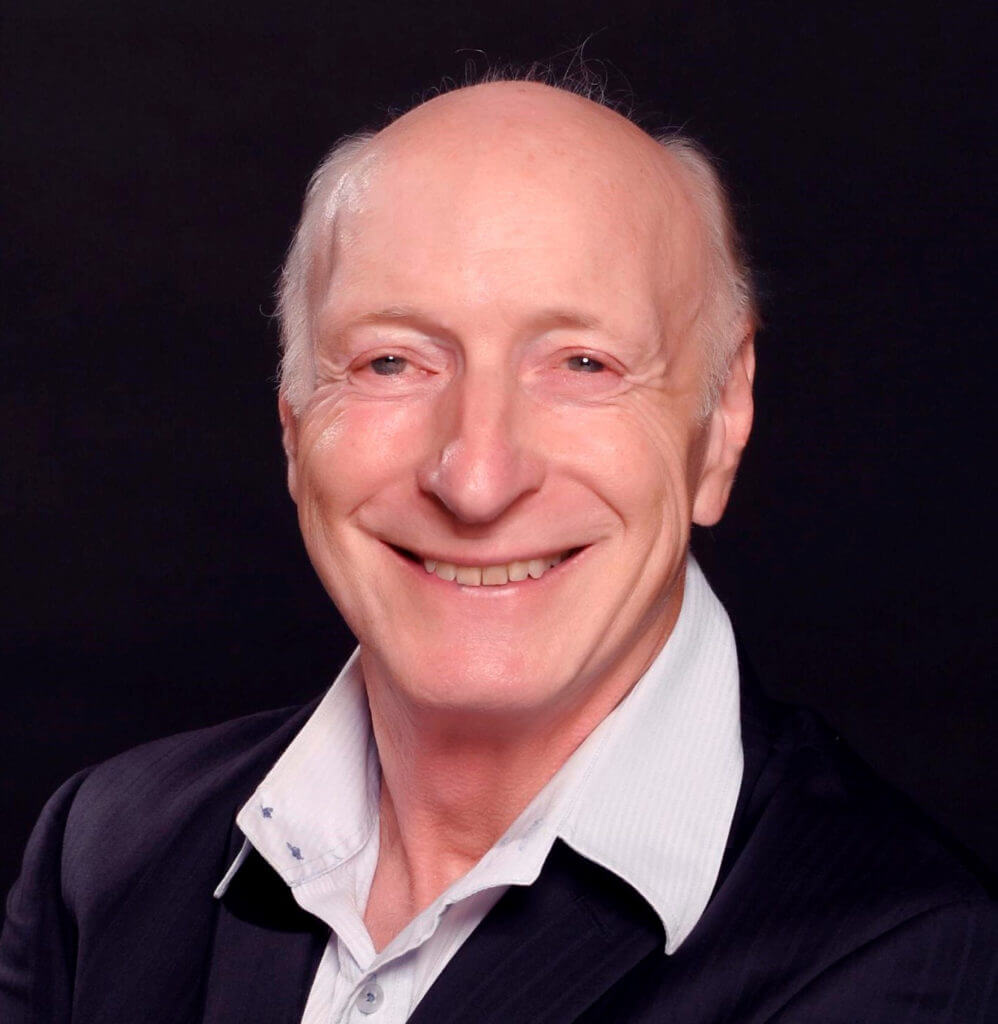
Stephen Sideroff, Ph.D.
Clinical psychologist · UCLA
Where the 9 Pillars came from.
A clinical psychologist and longtime UCLA faculty member, Dr. Sideroff’s research began with the neuroscience of learning at McGill and has run through hospitals, addiction treatment centers, and performance settings ever since.
He’s brought the method to executives at Boston Consulting Group and Lockheed Martin, to the US Men’s National Soccer Team and the UCLA hardwood, and into addiction treatment at Sierra Tucson. The 9 Pillars model came out of that work — tested for decades before it became a book.
Both stress and resilience are physiology — and physiology can be trained.
- Practice
- 40+ years, clinical & performance
- Faculty
- UCLA, Dept. of Psychiatry
- Research
- UC Irvine · McGill · UCLA
- Field
- Stress · sleep · addiction
Evidence & method
You can read the work yourself.
- BookAbout the book (opens in new tab)
The 9 Pillars of Resilience
The Proven Path to Master Stress, Slow Aging, and Increase Vitality — the full model, in his own words.
- PodcastListen (opens in new tab)
The Quantum Leadership Podcast
The next evolution in leadership — harnessing the brain and mind-body connection for resilience and peak performance.
- WritingRead (opens in new tab)
Psychology Today & published research
Ongoing clinical writing and peer-reviewed work across stress, addiction, and neurofeedback.
FAQ
Questions we get a lot.
Nine trainable capacities, grouped in three: how you hold connection, how your system regulates, and how you meet the moment. Together they describe what resilience is actually made of, rather than treating it as a trait you either have or don't.